3.jpg)
Published July 18, 2024
‘I Bought a New-Construction Home, and It Saved Me Nearly $60K’ By Realtor.com

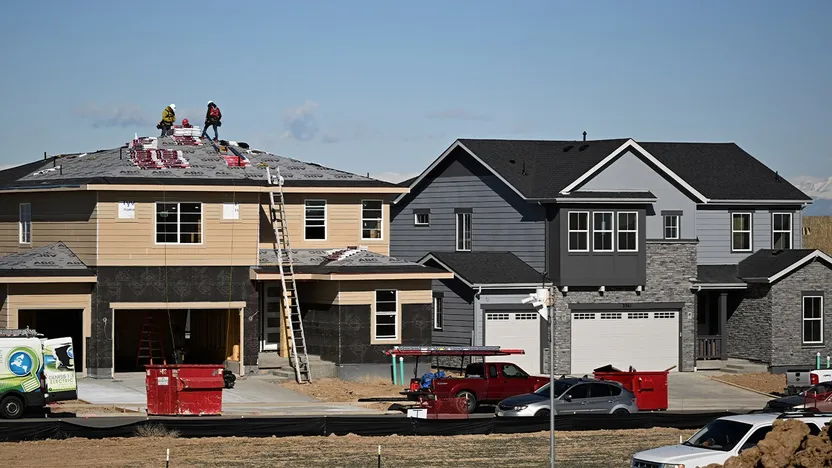

Geanna Diaz feared she’d never own a home—there weren’t many on the market, and of the slim pickings, many were overpriced, older, and in dire need of renovation.
“As a millennial who has lived in New Jersey all of my life, I started to see how unattainable homeownership would be for me,” the public relations specialist told Realtor.com®.
Diaz had scrimped and saved for a down payment, but it still wasn’t enough.
“You save, save, and save, only to see an American dream slip away in a real estate market that has been impossible to break through if you live in the tri-state area,” she says.
Diaz works remotely, so she started looking in other areas and ended up focusing on Leland, NC—about 20 minutes outside of Wilmington.
“There’s an enormous housing boom there and, quite frankly, more conveniently priced opportunities for professional millennials to become owners of new-construction homes,” she says.
When Diaz began house hunting in September 2023, the median list price for an existing home in Leland was $397,450. But she was able to snag a new-build 1,500-square-foot, three-bedroom, two-bathroom ranch-style home for $339,999. That’s a savings of $57,451, and the brand-new home will likely cost less to maintain and repair in the long run.

(Geanna Diaz)

(Geanna Diaz)
Why new construction is now less expensive than existing homes
Diaz’s decision to buy new over old—to save money on housing—is surprisingly the norm right now.
The median sales price of new houses built and sold nationwide in May 2024 was $417,400, according to the U.S. Census Bureau, and the median existing single-family home price was $424,500, according to the National Association of Realtors®. That’s a $7,100 difference.
“Homebuyers who are looking for that ‘new-home smell’ may be in a relatively friendlier market than times past when new homes were considerably more expensive than used ones,” says Realtor.com economist Ralph McLaughlin.
This phenomenon of new homes costing less than existing homes is extremely rare. It has happened only in two months since 1982. So why is it happening now?
“This is a combination of several factors,” says Cliff Johnson, vice president of new homes and rentals at Realtor.com. “The most obvious is the continued rise of existing-home values due to inventory scarcity. Builders have seen the affordability issue on the horizon for quite some time, so many have adapted and responded with homes that are more reasonably priced.”
Additionally, many builders have lots of vacant houses on hand that they built on spec over the past several years. Yet, when mortgage rates began to rise, there were suddenly fewer buyers, which led to a glut of inventory.
To overcome homebuyer hesitancy over high interest rates, today’s builders are doubling down on doing whatever it takes to entice would-be homebuyers.
“On top of the builders’ ability to adapt to what buyers want and need, we also see them adjusting to the market by offering incentives when times are tight, such as the interest rate increases that we’ve seen over the past couple of years,” says Johnson.
Diaz capitalized on new-build incentives like $10,000 toward closing costs and an appliance package that included a dishwasher, refrigerator, microwave, electric stove top, and oven.
The benefits of buying new construction
But price breaks aren’t the only reason homebuyers are choosing new construction.
Ryan Evans and her husband, Larry, built a house in Sarasota, FL, so they could get exactly what they wanted.
“We were able to have our home built to our specifications, instead of settling for a resale home in the same price range, which wasn’t exactly what we wanted and would later have to be upgraded,” says Evans, who’s also a real estate agent.
Since their house was being built from the ground up, they got to personalize the space. They put in a media room, walk-in pantry, and three-car garage. They also added a screened pool and lanai overlooking a small pond.

(Ryan Evans)
Evans also received an appliance package, design-center incentives, and financial incentives for using the builder’s financing.
Their home took 11 months to build and cost just over $1 million. That was slightly more than the couple budgeted for, but they were willing to pay more to get everything on their wish list.
Evans says it was worth every penny.
“Designing and building our dream home that is truly unique to us was more special and emotional than we could’ve imagined,” she says.

(Ryan Evans)
A new-construction home could save you money
New construction costing less is good news for buyers, especially in this stubborn market. But “new” does not always mean perfect when it comes to housing.
As McLaughlin points out, if you put otherwise identical homes next to each other, except one was built yesterday and the other one 10 years ago, most buyers would choose the newer home without a second thought.
“However, things get tricky if the old house isn’t next door but rather near better schools, a downtown, or area of natural beauty, or if the owner has upgraded the home with nicer finishes, layouts, more square footage, etc.,” McLaughlin says. In the latter case, it’s possible the older home is a better value.
But Johnson says a newer home could save you money in the long run.
“One of the major affordability advantages that is not even considered by most buyers today is the cost of ownership of a new home,” he says. “I expect more buyers will take that into consideration over time, and factor in the cost of ongoing maintenance and utility expenses when considering a new versus existing home. If the purchase price is similar, that will heavily weigh in favor of new homes.”
Homebuyers of new construction will still want to make sure to do their homework, as Diaz did before signing her contract—researching top builders in the area, their reputations, and how their home designs compared with others.
“You need to feel comfortable knowing your new-construction home is being built by the right hands,” she says.
Even though Diaz chose a very reputable builder, she says the construction process wasn’t always smooth sailing.
“This is a business of who can get done with a development first and get new homeowners in the fastest,” she explains. “As a result, there are going to be oversights.”
Builder blunders Diaz personally experienced included incomplete paintwork and caulking; kitchen cabinets that weren’t properly installed; dented and scratched siding panels; and uneven concrete on the front porch, garage entry, and driveway.
However, Diaz says her real estate agent was her biggest champion and called out builders to correct mistakes in real time.
“My contract said the house would come with a shower—but that didn’t include shower doors, which was very misleading and would have cost me an additional $10,000,” she recalls. But after her real estate agent battled it out with the builder, Diaz’s shower doors were installed at no extra charge.
There continued to be bumps in the road up until the closing day, six months after they officially broke ground.
“It honestly wasn’t a smooth home inspection or move-in week,” Diaz confesses. “I had high expectations of ‘new construction’ meaning new and without flaws. Nothing can be entirely new or perfect, and that was my biggest lesson as a first-time homeowner.”
Despite all that, she’s extremely happy with her decision.
“The biggest plus in purchasing a new-construction home was the feeling of accomplishment,” she says.
“Coming from a Latino background and being one of the first in my generational line to be a homeowner, I had a bigger appreciation for the sacrifices my parents made and became more aware of the obstacles many of us Latinos face to even reach this point,” she says.
"Call Eli Torres at (832) 430-2107, for your home buying and selling needs."
Source: www.realtor.com


