3.jpg)
Published March 3, 2025
How To Keep Your House Safe During a Renovation By Realtor.com

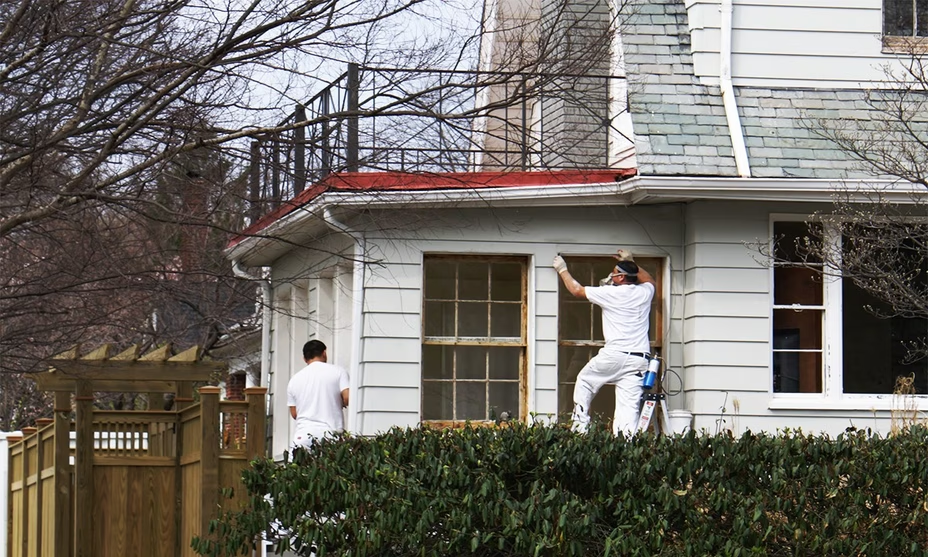

Spring signals the unofficial start of renovation season—and homeowners across the country will shake off the winter chill and dive into long-planned upgrades, from fresh coats of paint to full-scale remodels.
But before the demolition begins, preparation is key. From securing your home against theft to setting boundaries with your contractors, taking the right steps upfront can make all the difference between a smooth, successful renovation and a stressful experience.
Here’s how to protect your space, your sanity, and your investment as you kick off your renovation this season.
Starting a home renovation
With the housing market still stuck in a rut, 2025 has been deemed the year of “renovate over relocate,” according to home services platform Angi. Its 2024 State of Home Spending Report reveals that 67% of homeowners prefer to renovate their current home rather than move.
This is a stark shift from recent years, when many homeowners planned renovations to boost their listing price before moving. However, as mortgage rates and home prices remain stubbornly high, more people are staying put and renovating their current home into their forever home.
Among the most popular projects that Angi found, 22% of homeowners plan to refresh their interiors with a fresh coat of paint, while 13% are tackling bathroom and flooring remodels. With the rise in natural disasters, 12% are focusing on landscaping projects to restore and protect their outdoor spaces.
As more homeowners commit to long-term, even multigenerational living in their current homes, renovations are no longer just about aesthetics—they’re about making a space truly future-proof.
Securing your home before a renovation
A home renovation might look stunning in before-and-after photos, but the in-between can be a messy, chaotic process. Walls may be torn down for weeks, door handles and locks removed, and your once-private home suddenly on display for contractors and neighbors.
All of this can pose a risk to our sanity and safety.
"Security is not a detail. It’s the first thing you handle,” says Ruben Gutierrez, principal designer at Errez Design.
Before the first sledgehammer swings, take these critical steps to safeguard your home:
Set up home security systems
“Cameras. Motion lights. Lock up tools and materials like they’re bars of gold. Don’t assume expensive deliveries will still be there in the morning if left out. Make sure someone is there to receive them and store them in a safe place,” Gutierrez says.
With contractors, deliveries, and tools coming and going, your home is more vulnerable to theft and unauthorized access. Investing in a home security system can give you peace of mind by allowing you to monitor your property in real time, even when you’re not around.
Set boundaries with your work team
Renovations can feel like an invasion of your personal space, but setting firm boundaries ensures the process is professional and predictable.
“Your house is not an open-air market where workers set up camp. Off-limits means off-limits,” says Gutierrez.
He recommends setting work hours upfront (and in writing) so there’s no confusion about when crews can be on-site. Never hand out copies of your house key. Instead, use smart locks with temporary codes that you can disable when the project is done.
"Anything but blind trust," Gutierrez adds

Take steps to prevent fire and other hazards
Beyond securing your property, it’s vital to take precautions against fire and other hazards.
Before work begins, test fire alarms and carbon monoxide detectors to make sure they’re fully operational. Keep a fire extinguisher nearby, especially in areas where power tools, electrical work, or flammable materials are in use.
Renovation dust and fumes can be hazardous. To maintain air quality, improve ventilation by opening windows or using air purifiers. If chemicals or paints are involved, store them properly and away from heat sources.
Get insurance in order
If you’re hiring a contractor, pay close attention to the damages and liabilities clause in their contract. This outlines what they’re responsible for if they accidentally damage part of your home during the renovation.
While most reputable contractors will cover the costs if they damage your property, it’s smart to review your home insurance policy before starting work. Standard home insurance might cover accidental damage, but it typically doesn’t cover poor workmanship.
If your policy seems inadequate, you might want to upgrade your coverage or consider home renovation insurance, which specifically protects against construction-related risks. A little planning upfront can help prevent costly surprises down the line.
5 safety tips for while you’re remodeling
Whether you’re taking the DIY route or hiring a contractor, protecting your home from dust, debris, and potential damage is essential. Without the right precautions, fine particles can spread throughout your home, coating surfaces and infiltrating vents.
1. Wear protective gear
Wear chemical-resistant gloves, safety glasses, and a respirator to avoid inhaling dust and contaminants. If you’re working with older materials, disposable coveralls and shoe covers can help keep harmful particles from spreading. Never eat, drink, or smoke in the work area to prevent accidental ingestion of toxins.
2. Keep dust contained
Use plastic sheeting and tape to seal off the work zone, covering doorways, vents, and windows. Close air ducts to keep dust from circulating through your HVAC system. A HEPA-filter vacuum is a must for cleanup—standard vacuums can blow fine particles back into the air.
3. Use low-dust tools
If possible, opt for manual tools like scrapers and chisels instead of power tools, which generate more airborne debris. If you must use electric tools, attach a HEPA vacuum to capture dust as you work. Avoid grinders and saws, which produce excess heat and fine particulates that can linger in the air.
4. Keep people and pets safe
Let your household know about any potential risks before work begins. Block off the area with signs, barriers, or tape to keep curious kids and pets from wandering in.
5. Clean up
At the end of each day, wipe down surfaces with a damp cloth and vacuum with a HEPA filter. When the project is done, mist plastic sheeting with water before removal to prevent dust from becoming airborne again. Dispose of hazardous materials properly by checking your local regulations for safe disposal guidelines.
"Call Eli Torres at (832) 430-2107, for your home buying and selling needs."
Source: www.realtor.com