3.jpg)
Published October 8, 2024
As Hurricane Milton Threatens Florida, Here’s Water Damage Restoration Tips Flooding Victims Often Miss By Realtor.com

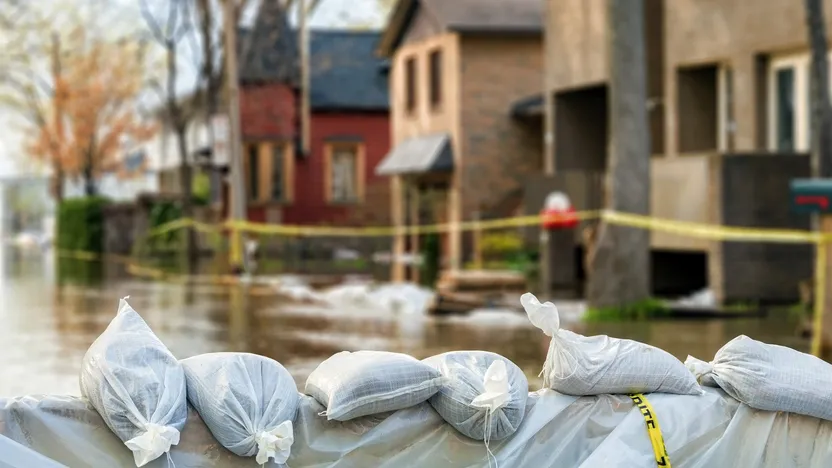

Hurricanes are battering Florida. Just days ago, Hurricane Helene swept through Fort Myers, FL, and now Hurricane Miltion is predicted to bring a destructive storm surge, winds, and flooding rain across a large swath of the state.
In the wake of these hurricanes, many homeowners may struggle to learn about water damage restoration—the process of repairing a home that’s endured a flood or other water-related problems.
Even at the minor level of a leaky roof or burst pipe, water damage can easily hit homeowners with bills amounting to several thousand dollars—and with a hurricane, that number can skyrocket.
All told, estimates from AccuWeather say the damage from Helene, the deadliest hurricane in 50 years, could reach $250 billion, which could make 2024 among the costliest weather disaster seasons in U.S. history.
The good news: Water damage restoration is typically covered by insurance—be it flood insurance or a basic homeowners policy. According to the Insurance Information Institute, water damage and freezing accounted for an average of almost 23% of claims between 2017 and 2021.
And if you’re a hurricane victim, reimbursements can be sizable. The National Flood Insurance Program, which provides flood insurance to homeowners, paid out an average of payout of $66,000 between 2016 and 2022.
But before you dive into fixing your waterlogged home and calling your insurer, you should make sure you know the process of water damage restoration. Here are the steps to take that many homeowners might miss in their rush to patch things up.
Before you clean up, take lots of pictures
As hard as this might seem, don’t start cleaning things up before you whip out your camera and take photos of the damage.
This serves as critical proof of the repairs you need to make, says Bill Begal, a restoration specialist in Baltimore.
Without pics, you might end up reducing the amount of financial help you get.
Remove whatever water you can
Once the documentation stage is done, it’s time to rid your home of as much of the water as you possibly can. Don’t wait for a professional to swing by; it’s up to you to get the process rolling, because the longer water sits in your home, the deeper it can seep into your drywall, floors, and other areas, making it that much harder to remove.
Mold and mildew will also typically begin growing within 24 to 48 hours, Begal says, depending on the temperature and relative humidity.
Furthermore, many home insurance companies require insured parties to take “necessary measures” to prevent further damage from occurring. In other words, if you don’t try to suck up the water that’s all over your bathroom floor, an insurance company may deny a claim for damage to that floor because you didn’t act to mitigate the damage.
Shop vacuums can help suck up standing water, and turning on fans will help the moisture dissipate. If you have a basement, and there’s water backed up down there, Begal says check your basement’s drains (if it has them) to ensure they aren’t clogged. That will help water flow out more quickly.
Get help from a water damage restoration specialist
Generally, extensive water damage is not the kind of thing you should fix on your own.
Instead, you should call a water damage restoration specialist (or a contractor with experience in this area). This pro will come in armed with industrial-grade dehumidifiers, air purifiers, and other equipment that will help dry out your place much more thoroughly than anything you have on hand.
A specialist can also evaluate the extent of the damage and mitigate health issues that might come with mold and bacteria growth, and make sure the home is safe to inhabit.
Apply for government aid if you can
If your water damage was caused by a hurricane, you might qualify for home repair assistance grants through the Federal Emergency Management Agency. Just know that the government will not step in if you have insurance to cover the problem, and you qualify only if your home is located in areas where there’s been a federal disaster declaration. Check FEMA’s Disaster Assistance website, or call 800-621-3362.
Some homeowners who’ve been through a hurricane or other similar natural disaster might also qualify for low-interest disaster loans from the Small Business Association. And no, you don’t need to be a business owner to qualify; residential homes do, too. Check if you’re eligible at SBA.gov.
"Call Eli Torres at (832) 430-2107, for your home buying and selling needs."
Source: www.realtor.com